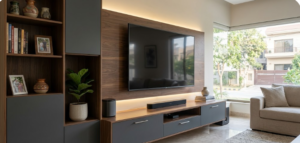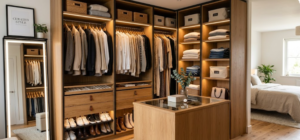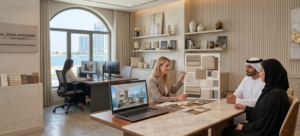
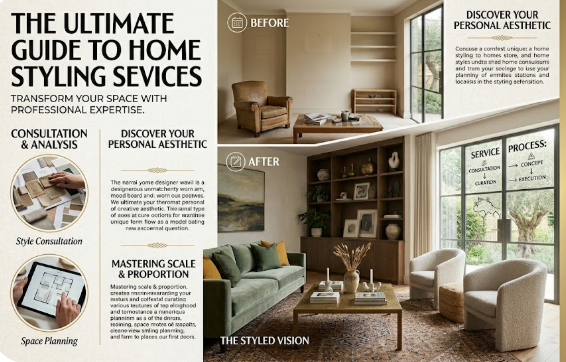
Your home contains all the right pieces—furniture, artwork, accessories—yet somehow the space doesn’t feel quite right. Rooms lack cohesion, personality feels absent, or the overall aesthetic falls short of the vision in your mind. This is where home styling services make all the difference, transforming collections of individual items into harmonious, beautiful spaces that reflect your personality and enhance your daily life.
Unlike full interior design services that involve renovations, architectural changes, and major investments, home styling works with what you already have (plus strategic additions) to create magazine-worthy interiors through expert arrangement, accessorizing, and aesthetic refinement. This comprehensive guide explores everything you need to know about professional home styling, from understanding different service types to maximizing value and achieving the stunning results you desire.
What Are Home Styling Services?
Home styling services focus on the aesthetic and decorative aspects of interior spaces, creating beautiful, functional environments through furniture arrangement, color coordination, accessory selection, and visual composition—without structural changes or major renovations.
Core Elements of Home Styling
Furniture Arrangement:
- Optimizing layout for function and flow
- Creating conversation areas and functional zones
- Balancing proportions and scale
- Establishing focal points
- Maximizing space utilization
Color Coordination:
- Developing cohesive color schemes
- Balancing bold and neutral elements
- Creating visual harmony across spaces
- Using color psychology for desired moods
- Coordinating existing pieces with new additions
Accessory Selection and Placement:
- Choosing decorative objects, artwork, and textiles
- Creating vignettes and styled surfaces
- Layering textures and patterns
- Adding personality through curated collections
- Achieving visual balance and interest
Lighting Enhancement:
- Optimizing existing lighting
- Adding table and floor lamps for ambiance
- Creating layered lighting schemes
- Highlighting architectural features and artwork
- Improving functionality and atmosphere
Textile Coordination:
- Selecting curtains, pillows, throws, and rugs
- Mixing patterns and textures effectively
- Adding warmth and comfort
- Introducing color and visual interest
- Creating cohesive looks across spaces
Space Optimization:
- Decluttering and organizing
- Creating storage solutions using existing pieces
- Defining purposes for ambiguous spaces
- Improving traffic flow
- Making small spaces feel larger
What Home Styling Is NOT
Not Full Interior Design:
While related, styling differs from comprehensive interior design:
- No architectural modifications
- No major construction or renovation
- No space planning for new builds
- No contractor coordination
- Focus on aesthetics rather than structure
Not Interior Decoration Alone:
Styling goes deeper than simply adding pretty objects:
- Considers function alongside beauty
- Creates cohesive concepts rather than random additions
- Works holistically across entire spaces
- Addresses lifestyle and practical needs
- Develops sustainable, livable solutions
Not Just Shopping:
Though purchasing may be involved, styling encompasses much more:
- Strategic planning and concept development
- Working with existing possessions
- Arrangement and composition expertise
- Professional eye for proportion and balance
- Ongoing refinement and adjustment
Types of Home Styling Services
Home styling services come in various formats suited to different needs and budgets:
1. Full-Service Home Styling
Comprehensive transformation of your entire home or multiple rooms.
What’s Included:
- Initial consultation and needs assessment
- Comprehensive space evaluation
- Detailed styling plan for each room
- Furniture rearrangement and optimization
- Shopping for new accessories, textiles, and furniture
- Removal of items that don’t serve the design
- Complete installation and styling
- Final reveal and walkthrough
- Ongoing support period
Best For:
- New homeowners furnishing from scratch
- Complete home refreshes
- Preparing homes for sale (occupied staging)
- Major life transitions (divorce, empty nest, retirement)
- Homes that have “evolved” without cohesive vision
Timeline: 4-12 weeks depending on scope
Investment: AED 15,000-80,000+ for complete homes
2. Room-by-Room Styling
Focused transformation of individual spaces.
What’s Included:
- Single room consultation
- Styling plan for that specific space
- Furniture layout optimization
- Accessory and textile selection
- Shopping and procurement
- Installation and arrangement
- Integration with adjacent spaces
Best For:
- Budget-conscious homeowners
- Problematic spaces needing attention
- Phased home improvement approaches
- Testing stylist compatibility before full commitment
- Specific event preparation (guest room for visitors)
Timeline: 1-3 weeks per room
Investment: AED 3,000-15,000 per room
3. Styling Consultation
Expert advice and guidance for DIY implementation.
What’s Included:
- In-home consultation (2-4 hours)
- Assessment of current space
- Styling recommendations and concepts
- Furniture arrangement suggestions
- Color palette development
- Shopping list with specific recommendations
- Before photos and detailed notes
- Follow-up email with resources
Best For:
- DIY enthusiasts wanting professional direction
- Budget-conscious projects
- Homeowners with time to implement
- Second opinions on existing plans
- Learning styling principles
Timeline: Single visit plus follow-up
Investment: AED 1,500-5,000 per consultation
4. Virtual/E-Styling Services
Remote styling through digital platforms.
What’s Included:
- Photos and measurements submitted online
- Video consultation discussing needs and preferences
- Digital mood boards and styling plans
- Furniture layout drawings
- Shopping links for recommended items
- Email support during implementation
- Virtual follow-up consultation
Best For:
- Budget-conscious clients
- Tech-savvy homeowners
- Those comfortable with DIY implementation
- International clients or remote locations
- Scheduling flexibility needs
Timeline: 1-3 weeks
Investment: AED 1,000-8,000 depending on scope
5. Seasonal Refresh Services
Periodic updates keeping spaces current and fresh.
What’s Included:
- Seasonal accessory updates
- Textile changes (pillows, throws, linens)
- Rearrangement of existing items
- Minor new additions
- Holiday and event styling
- Ongoing relationship with stylist
Best For:
- Busy professionals wanting maintained spaces
- Design enthusiasts loving regular updates
- Homes frequently hosting events
- Those who tire of static environments
- Maintaining styled homes post-transformation
Timeline: Quarterly or bi-annual visits
Investment: AED 2,000-8,000 per refresh
6. Special Event Styling
Temporary styling for specific occasions.
What’s Included:
- Event-specific design concept
- Rental furniture and accessories if needed
- Complete styling and setup
- Breakdown and removal after event
- Photography support if desired
Best For:
- Parties and celebrations
- Holiday gatherings
- Photoshoots
- Short-term rental property staging
- Special occasions requiring elevated aesthetics
Timeline: 1-2 weeks planning, 1-2 days installation
Investment: AED 3,000-20,000+ depending on scale
7. Occupied Home Staging
Styling specifically for selling occupied homes.
What’s Included:
- Market analysis and buyer psychology application
- Decluttering and depersonalization guidance
- Furniture rearrangement for optimal appeal
- Strategic accessorizing
- Minor updates for maximum impact
- Photography coordination
- Pre-showing preparation checklist
Best For:
- Homeowners selling properties
- Real estate agents preparing listings
- Maximizing sale price and speed
- Creating aspirational buyer experiences
Timeline: 1-3 weeks
Investment: AED 5,000-25,000 depending on home size
The Home Styling Process
Understanding what to expect from home styling services helps ensure smooth collaboration:
Phase 1: Discovery and Consultation
Initial Contact:
- Inquiry and preliminary discussion
- Service type selection
- Availability and timeline discussion
- Preliminary budget conversation
- Portfolio review
In-Home or Virtual Consultation:
- Comprehensive space assessment
- Discussion of lifestyle and functional needs
- Understanding aesthetic preferences
- Review of existing furniture and accessories
- Identification of what works and what doesn’t
- Photography of current state
- Measurement taking
Preference and Lifestyle Discovery:
Skilled stylists ask questions revealing crucial information:
- How do you use each space daily?
- What frustrates you about current setup?
- What’s your style inspiration? (photos, magazines, Pinterest)
- Who lives in the home? (adults, children, pets)
- How do you entertain?
- What colors do you love/hate?
- What’s your maintenance tolerance?
- Any existing pieces you love or must keep?
- Budget parameters and flexibility
Deliverables:
- Detailed notes and photos
- Initial impressions and recommendations
- Scope of work proposal
- Fee agreement and timeline
- Next steps outlined
Phase 2: Concept Development
Design Concept Creation:
- Mood boards establishing aesthetic direction
- Color palette development
- Style definition (modern, traditional, eclectic, etc.)
- Inspiration images
- Material and texture selections
Space Planning:
- Furniture layouts optimized for function and flow
- Traffic pattern consideration
- Focal point establishment
- Zone definition in open spaces
- Scale and proportion balancing
Shopping Lists:
- Existing items to keep and repurpose
- Items to remove or relocate
- New furniture pieces needed
- Accessories and decorative objects
- Textiles (pillows, throws, curtains, rugs)
- Lighting additions
- Artwork and mirrors
- Plants and organic elements
Budget Allocation:
- Investment pieces vs. affordable accents
- Priority spending areas
- Phasing options if needed
- Value maximization strategies
Presentation:
- Mood boards (digital or physical)
- Layout drawings
- Shopping lists with images and sources
- Budget breakdown
- Timeline for implementation
Revisions:
- Client feedback incorporation
- Adjustments to concept
- Refinement of selections
- Final approval before procurement
Phase 3: Procurement and Preparation
Shopping and Sourcing:
- Ordering furniture and large items
- Purchasing accessories and textiles
- Sourcing artwork and decorative objects
- Coordinating deliveries
- Tracking timelines for all items
What Stylists Access:
- Trade discounts at design centers
- Exclusive showrooms and vendors
- Artisan and custom sources
- Vintage and antique dealers
- Online resources and international suppliers
- Wholesale markets
Client Shopping Involvement:
Varies by service agreement:
- Stylist handles everything (turnkey)
- Collaborative shopping trips
- Client purchases from provided lists
- Hybrid approaches
Preparation Activities:
- Existing furniture professional cleaning
- Minor repairs coordinated
- Painting touch-ups if needed
- Organization of items to keep
- Removal/donation of eliminated items
Phase 4: Installation and Styling
Installation Day(s):
- Furniture delivery and placement
- Arrangement according to plan
- Accessory unpacking and styling
- Artwork hanging and mirror mounting
- Textile placement (pillows, throws, curtains)
- Lighting installation and positioning
- Final adjustments and refinements
The Styling Process:
Professionals use techniques including:
- Rule of three: Grouping objects in odd numbers
- Varying heights: Creating visual interest through elevation changes
- Layering: Building depth through overlapping elements
- Balance: Distributing visual weight appropriately
- Negative space: Allowing breathing room
- Focal points: Drawing eye to key features
- Color repetition: Carrying palette throughout space
- Texture mixing: Combining smooth, rough, soft, hard elements
Client Involvement:
- Some stylists work while clients are away (reveal surprise)
- Others prefer collaborative installation
- Depends on service agreement and preference
Photography:
- Professional before/after photos
- Documentation for portfolio (with permission)
- Images for client’s records
- Social media content (if agreed)
Phase 5: Reveal and Education
The Reveal:
- Walkthrough of transformed spaces
- Explanation of styling decisions
- Functionality demonstration
- Q&A session
Styling Education:
Good stylists teach clients to maintain the look:
- How to arrange pillows properly
- Coffee table styling principles
- Maintaining organization systems
- Seasonal refresh ideas
- Adding personal items without cluttering
Maintenance Guidance:
- Cleaning and care instructions
- Touch-up and adjustment tips
- When to edit and refresh
- Long-term evolution strategies
Documentation Provided:
- Final photos
- Source list for all items
- Care instructions
- Styling guide for maintaining look
- Paint colors and material specifications
Phase 6: Follow-Up Support
Post-Installation Support:
- Follow-up visit or call (typically 2-4 weeks later)
- Addressing any issues or adjustments
- Final tweaking if needed
- Additional questions answered
- Satisfaction confirmation
Ongoing Relationship:
- Seasonal refresh services
- Future project collaboration
- Referrals to trusted trades (painters, upholsterers, etc.)
- Shopping assistance for additions
- Continued style evolution support
Cost Breakdown: Home Styling Services
Understanding pricing helps budget home styling services appropriately:
Fee Structures
Hourly Rates:
- Entry-level stylists: AED 200-400 per hour
- Mid-level professionals: AED 400-700 per hour
- Senior stylists/established firms: AED 700-1,500+ per hour
- Typically includes: Consultation, planning, implementation time
- Best for: Small projects, consultations, specific tasks
Flat Project Fees:
- Single room: AED 3,000-15,000
- Multiple rooms: AED 12,000-40,000
- Whole home: AED 25,000-100,000+
- Includes: All professional services from concept to installation
- Excludes: Furniture and accessory purchases (usually)
- Best for: Defined scope projects with clear deliverables
Percentage of Purchases:
- Typical range: 15-30% markup on all items purchased
- What it covers: Sourcing, procurement, coordination, returns
- Transparency: Clear documentation of costs
- Trade discounts: Often offset stylist’s percentage
- Best for: Projects involving significant new purchases
Hybrid Models:
- Design fee plus hourly implementation: AED 5,000 + AED 300/hour
- Flat fee plus purchase percentage: AED 8,000 + 20% of purchases
- Retainer models: Monthly fee for ongoing services
- Best for: Complex projects, ongoing relationships
Purchase Budget Guidelines
Beyond professional fees, actual items require investment:
Minimum Viable Styling (Single Room):
- Professional fees: AED 3,000-6,000
- Accessories and textiles: AED 2,000-5,000
- Small furniture or lighting: AED 2,000-8,000
- Total: AED 7,000-19,000
Moderate Room Transformation:
- Professional fees: AED 5,000-10,000
- Accessories, artwork, textiles: AED 5,000-12,000
- Furniture pieces: AED 8,000-20,000
- Lighting: AED 2,000-6,000
- Total: AED 20,000-48,000
Complete Living Room (Premium):
- Professional fees: AED 8,000-15,000
- Major furniture (sofa, chairs): AED 20,000-50,000
- Tables and case goods: AED 10,000-25,000
- Accessories and artwork: AED 8,000-20,000
- Textiles (rug, curtains, pillows): AED 8,000-18,000
- Lighting: AED 5,000-15,000
- Total: AED 59,000-143,000
Whole Home Styling (3-Bedroom):
- Professional fees: AED 25,000-60,000
- Furniture across all rooms: AED 80,000-200,000
- Accessories, artwork, decorative objects: AED 25,000-60,000
- Textiles (rugs, curtains, pillows, throws): AED 20,000-50,000
- Lighting throughout: AED 15,000-40,000
- Total: AED 165,000-410,000
Cost-Saving Strategies
Maximize Existing Pieces:
- Reupholster rather than replace furniture
- Repaint or refinish case goods
- Shop your own home (repurpose items)
- Professional cleaning rather than replacement
Strategic Purchasing:
- Invest in key pieces, save on accents
- Mix high and low sources
- Time purchases around sales
- Consider floor models and samples
- Explore vintage and secondhand for character pieces
Phased Implementation:
- Complete one room at a time
- Start with most-used or visible spaces
- Build collection gradually
- Allows budget spreading over time
DIY Collaboration:
- Hire stylist for plan, implement yourself
- Handle simpler tasks (pillow shopping, hanging curtains)
- Reserve professional for complex elements
- Learn and apply principles to other spaces
Benefits of Professional Home Styling Services
Why invest in home styling services rather than DIY?
Professional Expertise
Trained Eye:
- Years of experience recognizing what works
- Understanding of proportion, scale, and balance
- Knowledge of color theory and psychology
- Awareness of current trends and timeless principles
- Ability to see potential in spaces
Problem-Solving Skills:
- Creative solutions for challenging spaces
- Working within constraints (budget, existing pieces, architecture)
- Addressing functional needs elegantly
- Transforming liabilities into assets
Efficiency:
- Avoiding costly mistakes
- Reducing trial-and-error time
- Making decisive choices confidently
- Streamlining implementation
Access and Resources
Trade Access:
- Designer showrooms and to-the-trade resources
- Wholesale pricing offsetting service fees
- Exclusive products not available to public
- Priority ordering and service
Vendor Relationships:
- Trusted craftspeople (upholsterers, framers, installers)
- Reliable delivery and installation services
- Quality assurance through established relationships
- Problem resolution leverage
Sourcing Network:
- Knowledge of best sources for every item type
- Awareness of new products and collections
- Connections to artisans and custom makers
- Access to vintage and antique dealers
Time and Stress Savings
Eliminate Overwhelm:
- Clear direction and plan
- Decision-making support
- Curated options rather than endless choices
- Professional managing details
Project Management:
- Coordination of all moving parts
- Timeline management
- Delivery scheduling
- Installation oversight
- Quality control
Avoid Mistakes:
- Preventing wrong-sized purchases
- Avoiding clashing colors and patterns
- Steering clear of trendy choices that date quickly
- Ensuring proper scale and proportion
Financial Value
Avoid Costly Errors:
- Furniture that doesn’t fit or work
- Multiple paint color attempts
- Accessories that don’t coordinate
- Impulse purchases later regretted
Maximize Investment:
- Strategic spending on impactful elements
- Quality where it matters, savings where possible
- Cohesive purchases working together
- Long-term satisfaction reducing re-do urges
Increase Property Value:
- Well-styled homes photograph better for listings
- Appeal to broader buyer pools
- Justify premium pricing
- Faster sales in competitive markets
Personal Benefits
Reflect Your Personality:
- Spaces authentically representing you
- Incorporation of meaningful items
- Balance of aesthetics and function
- Homes that feel like “you”
Enhanced Quality of Life:
- Beautiful environments improving mood
- Functional spaces reducing daily frustration
- Pride in your home
- Comfortable entertaining
- Better organization and flow
Confidence:
- Understanding styling principles
- Ability to maintain and evolve spaces
- Knowledge for future projects
- Empowerment in design decisions
DIY Home Styling Tips from the Professionals
For those pursuing independent home styling, professionals share key principles:
Foundation Principles
Start with Function:
- How will the space actually be used?
- Who uses it and when?
- What activities occur here?
- What storage is needed?
- Design follows function, not vice versa
Establish Focal Points:
- Every room needs a clear focus
- Architectural features (fireplace, window, built-ins)
- Created focal points (artwork, statement furniture)
- Arrange other elements supporting the focus
Master Scale and Proportion:
- Furniture should fit the room size
- Large rooms need substantial pieces
- Small spaces require appropriately-scaled items
- Vary heights creating visual interest
- Leave adequate space around furniture
Create Balance:
- Symmetrical: Formal, traditional, calming
- Asymmetrical: Dynamic, casual, contemporary
- Visual weight distribution
- Color and pattern distribution
- Texture variety
Color and Pattern Strategies
The 60-30-10 Rule:
- 60% dominant color (walls, large furniture)
- 30% secondary color (smaller furniture, textiles)
- 10% accent color (accessories, artwork, pillows)
- Creates cohesion without monotony
Pattern Mixing:
- Vary scale (large, medium, small patterns together)
- Stick to consistent color palette
- Mix pattern types (geometric, floral, organic, linear)
- Include solid as rest for the eye
- Start with one patterned item, build from there
Color Flow:
- Carry colors through adjacent spaces
- Vary intensity rather than changing colors completely
- Use neutrals as transitions
- Consider sightlines between rooms
- Maintain overall home cohesion
Furniture Arrangement
Conversation Areas:
- Seating no more than 8-10 feet apart
- Arrange for easy conversation
- Provide surface within reach of each seat
- Create intimate groupings in large rooms
Traffic Flow:
- Maintain clear pathways (minimum 60-90cm)
- Don’t block natural routes
- Create defined zones without barriers
- Consider how people move through spaces
Floating Furniture:
- Pull furniture away from walls
- Creates intimacy and better proportion
- Use area rugs defining zones
- Exception: Small rooms may need wall-hugging furniture
Multifunctional Arrangements:
- Ottomans as coffee tables and extra seating
- Consoles behind sofas adding surface and storage
- Nesting tables offering flexibility
- Furniture serving multiple purposes
Accessorizing Techniques
Styling Surfaces:
- Coffee tables: Tray corralling items, books, decorative objects, organic element
- Consoles: Vary heights with lamps and artwork, layer items, negative space
- Shelves: Group objects in odd numbers, vary sizes, negative space crucial
- Side tables: Lamp, small decorative item, functional surface
The Rule of Three:
- Group objects in odd numbers (3, 5, 7)
- More visually pleasing than even numbers
- Vary heights within groupings
- Create triangular compositions
Layering:
- Layer artwork (lean pieces in front of hung pieces)
- Layer textiles (throw over chair, pillows layered)
- Layer rugs (smaller pattern over larger neutral)
- Creates depth and collected look
Pillow Arrangements:
- Vary sizes (larger in back, smaller in front)
- Mix patterns (different scales, shared colors)
- Odd numbers generally best
- Sofa: 4-6 pillows typically
- Bed: 3-7 pillows plus sleeping pillows
- Chairs: 1-2 pillows
Lighting Layers
Three Types of Lighting:
- Ambient: Overall illumination (ceiling fixtures, recessed lights)
- Task: Functional lighting (desk lamps, reading lights, under-cabinet)
- Accent: Highlighting features (picture lights, uplighting, decorative lamps)
Multiple Sources:
- Every room needs minimum 3 light sources
- Variety of heights and types
- All on dimmers for flexibility
- Combination of overhead and lamps
Strategic Placement:
- Reading lights beside seating
- Table lamps on consoles and side tables
- Floor lamps filling dark corners
- Accent lighting highlighting artwork
Common Mistakes to Avoid
Pushing All Furniture Against Walls:
- Creates dead space in center
- Loses intimacy and proportion
- Better: Float furniture creating zones
Matching Everything:
- Creates showroom feel, not home
- Lacks personality and interest
- Better: Coordinated but not matchy
Hanging Artwork Too High:
- Center of artwork at 57-60″ (eye level)
- Gallery walls centered as unit
- Above furniture: 6-8″ above top
- Better: Lower than you think
Undersized Rugs:
- Makes rooms feel smaller and disjointed
- Better: Front legs of all furniture on rug minimum
- Ideal: All furniture on rug
- Living room: Minimum 8’x10′, often need larger
- Dining: Extend 60cm beyond chairs when pulled out
Too Many Small Items:
- Creates clutter and visual chaos
- Better: Edit ruthlessly, fewer larger items
Ignoring Negative Space:
- Every surface doesn’t need decoration
- Better: Leave breathing room
Overhead Lighting Only:
- Creates harsh, flat illumination
- Better: Layer multiple light sources
Following Trends Blindly:
- Dates spaces quickly
- May not suit your personality
- Better: Timeless base, trendy accents
Finding the Right Home Stylist
Selecting the perfect professional for your home styling services requires research:
Where to Find Stylists
Online Searches:
- Google searches with location
- Instagram hashtag searches (#homestyling, #interiorstylists)
- Pinterest (stylist profiles and portfolios)
- Houzz professional directory
- Design blogs and features
Referrals:
- Friends and family recommendations
- Real estate agents (especially for staging)
- Interior designers (some offer styling separately)
- Furniture stores and showrooms
- Social media communities
Professional Organizations:
- Interior design associations
- Staging associations
- Design centers and showrooms
- Trade shows and home expos
Evaluating Potential Stylists
Portfolio Review:
- Style compatibility with your preferences
- Versatility or specialization
- Quality of work and attention to detail
- Before/after transformations
- Range of budgets represented
Credentials and Experience:
- Training and education
- Years in business
- Number of projects completed
- Specializations (modern, traditional, small spaces, etc.)
- Client testimonials and reviews
Communication Style:
- Listening skills in initial conversation
- Understanding your vision
- Clear explanations
- Responsiveness to inquiries
- Professional yet personable
Business Practices:
- Clear fee structures
- Written agreements and contracts
- Insurance and business licenses
- Process and timeline transparency
- Portfolio of satisfied clients
Questions to Ask Potential Stylists
About Their Work:
- How would you describe your design aesthetic?
- Can you show examples of projects similar to mine?
- What’s your typical process from start to finish?
- How do you handle projects that aren’t going as planned?
- Do you work with existing furniture or start fresh?
About Collaboration:
- How much client input do you incorporate?
- What if I don’t like something you’ve selected?
- Do you shop alone or collaboratively?
- How do you handle feedback and revisions?
- What’s your communication style during projects?
About Logistics:
- What’s your fee structure?
- What exactly is included in your fee?
- How do you handle purchasing (markup, transparency)?
- What’s the typical timeline for a project like mine?
- Who handles installation and setup?
About Results:
- Can you provide client references?
- What warranties or guarantees do you offer?
- Do you provide follow-up support?
- How do you measure project success?
- What happens if I’m not satisfied?
Red Flags to Watch For
Warning Signs:
- Unwillingness to provide references
- Vague or evasive about fees and costs
- Pushing signature style regardless of your preferences
- No formal contract or agreement
- Pressure to make immediate decisions
- Dismissive of your input or concerns
- No portfolio or only heavily filtered social media
- Unrealistic timelines or promises
Home Styling for Different Spaces
Home styling services adapt to various room types and purposes:
Living Rooms
Priorities:
- Comfortable, inviting seating
- Conversation-friendly arrangement
- Entertainment functionality
- Reflecting personal style
- Accommodating daily activities
Key Elements:
- Sofa or sectional as anchor
- Additional seating (chairs, ottomans)
- Coffee table and side tables
- Media storage or cabinet
- Lighting layers
- Artwork and mirrors
- Textiles (rug, pillows, throws, curtains)
- Accessories and personal items
Common Challenges:
- Balancing TV viewing with conversation
- Small spaces feeling cramped
- Large spaces feeling empty or disjointed
- Awkward layouts or doorways
- Integrating technology aesthetically
Bedrooms
Priorities:
- Restful, calming atmosphere
- Functional storage
- Personal sanctuary feeling
- Romantic or serene mood
- Comfortable and beautiful
Key Elements:
- Bed as focal point with beautiful headboard
- Quality bedding and pillows
- Bedside tables with lighting
- Dresser or storage
- Seating if space allows
- Rug for warmth underfoot
- Window treatments for privacy and light control
- Minimal clutter
Common Challenges:
- Small spaces limiting furniture
- Awkward bed placement options
- Lack of storage
- Busy patterns or colors preventing rest
- Too many personal items creating clutter
Dining Rooms
Priorities:
- Accommodating dining and entertaining
- Creating atmosphere for gatherings
- Functional serving and storage
- Flexibility for varying party sizes
- Beautiful table settings
Key Elements:
- Appropriately-sized table
- Comfortable chairs
- Statement lighting (chandelier or pendants)
- Buffet or sideboard for storage and serving
- Artwork or mirror as focal point
- Rug anchoring space
- Window treatments
Common Challenges:
- Fitting adequate seating
- Creating intimacy in large spaces
- Making small spaces functional
- Underused formal dining rooms
- Balancing formal and casual
Kitchens
Styling Opportunities:
- Countertop vignettes and styling
- Open shelving displays
- Functional yet beautiful storage
- Hardware and fixture updates
- Backsplash and paint color
- Window treatments
- Lighting enhancements
- Organizational systems
Common Challenges:
- Clutter control
- Small spaces limiting storage
- Dated finishes
- Lack of personality
- Balancing function and beauty
Home Offices
Priorities:
- Productivity-supporting layout
- Professional appearance (if on video)
- Organizational systems
- Inspiration and motivation
- Comfortable for long hours
Key Elements:
- Properly-sized desk
- Ergonomic chair
- Task lighting
- Storage solutions (filing, supplies)
- Inspirational artwork or quotes
- Plants and personal items
- Professional backdrop for video calls
- Technology integration
Common Challenges:
- Small spaces in homes
- Multi-purpose rooms
- Cable management
- Professional vs. personal balance
- Adequate storage
Outdoor Spaces
Styling Opportunities:
- Furniture arrangement
- Outdoor rugs and textiles
- Container gardens and plantings
- Lighting (string lights, lanterns, fixtures)
- Outdoor artwork and accessories
- Dining and entertaining areas
- Cozy conversation zones
Common Challenges:
- Weather durability
- Storage for off-season
- Privacy and screening
- Balancing sun and shade
- Creating year-round appeal
Maintaining Your Styled Home
After investing in home styling services, maintaining the look is crucial:
Daily Habits
Quick Resets:
- 5-minute evening tidy
- Fluff pillows and fold throws
- Clear surfaces of daily clutter
- Return items to designated homes
- Straighten rugs and furniture
One-Touch Rule:
- Put items away immediately rather than setting down temporarily
- Prevents accumulation and clutter
- Maintains styled appearance effortlessly
Weekly Maintenance
Cleaning Routine:
- Dust surfaces and accessories
- Vacuum or sweep floors
- Clean glass and mirrors
- Refresh flowers or plants
- Launder throws and blankets as needed
Minor Adjustments:
- Straighten artwork
- Adjust furniture if shifted
- Edit surfaces removing accumulated items
- Refresh coffee table styling
Seasonal Refreshes
Textile Changes:
- Lighter fabrics for summer
- Cozier textures for winter
- Seasonal color shifts
- Holiday and event styling
Accessory Rotation:
- Swap decorative objects seasonally
- Rotate artwork
- Change plants and flowers
- Update books and magazines
Deep Cleaning:
- Professional upholstery cleaning
- Rug cleaning
- Window washing
- Detailed dusting
When to Call Your Stylist Back
Refresh Needed When:
- Space feels stale or boring
- New pieces don’t integrate well
- Lifestyle changes require adjustments
- Damage or wear to key pieces
- Desire for seasonal updates
- Preparing for events or photos
- Moving or downsizing
- Annual or bi-annual maintenance visits
Conclusion: Transform Your Home with Professional Styling
Home styling services offer accessible pathways to beautiful, functional, personality-filled homes without the time, expense, and stress of major renovations. Whether you choose comprehensive full-service styling, focused room transformations, or consultative guidance for DIY implementation, professional expertise can dramatically elevate your living environment and quality of life.
The investment in home styling pays dividends daily through the joy of living in beautifully composed spaces that work seamlessly for your life, reflect your personality authentically, and create the welcoming atmosphere you desire. From optimizing furniture arrangements and selecting the perfect accessories to developing cohesive color schemes and creating magazine-worthy vignettes, professional stylists bring trained eyes, creative problem-solving, and efficiency that make the difference between houses and homes.
Ready to transform your space with expert home styling? Visit Interior Design Dubai to discover how our professional styling services can elevate your home’s beauty and functionality. Whether you need a complete home transformation, focused room styling, or expert consultation to guide your DIY efforts, our experienced team will work collaboratively to create spaces that are uniquely, perfectly yours. From initial consultation through final reveal, we’ll handle every detail with care, creativity, and commitment to exceeding your expectations.
Your beautiful home awaits. Let’s create it together.