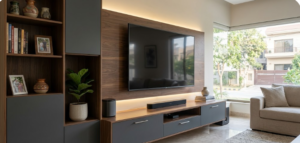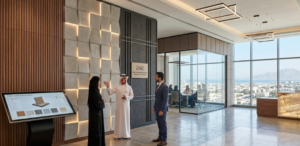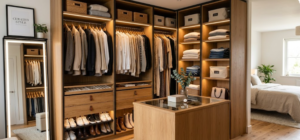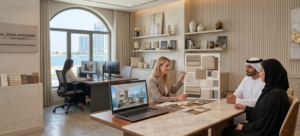
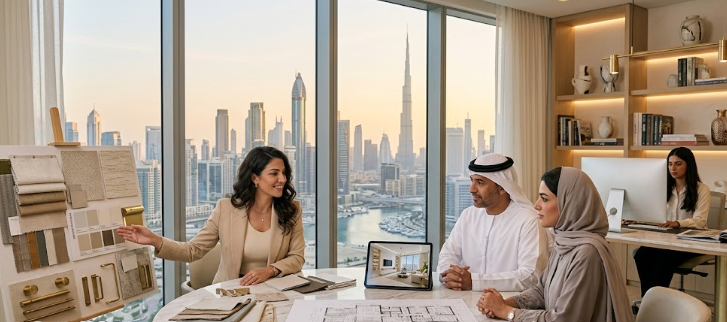
Your home or office should be more than just four walls and furniture. It should tell your story, reflect your personality, and create an environment where you feel truly comfortable and inspired. Whether you’re moving into a new villa in Arabian Ranches, renovating a Downtown Dubai apartment, or creating a stunning commercial space in Business Bay, professional interior design service Dubai transforms ordinary spaces into extraordinary experiences.
Dubai’s unique position as a global design hub means you have access to world-class designers who understand both international trends and local preferences. From contemporary minimalism to classic Arabian luxury, from smart home integration to sustainable design, the possibilities are limitless. But navigating this exciting journey requires the right partner—someone who listens to your vision, respects your budget, and delivers results that exceed your expectations.
This comprehensive guide walks you through everything you need to know about interior design services Dubai, from understanding what designers actually do to selecting the perfect partner for your project and ensuring smooth execution from concept to completion.
Understanding Interior Design Services Dubai’s Unique Market
Dubai isn’t just another city—it’s a melting pot of cultures, a showcase of architectural innovation, and a place where design standards consistently push boundaries. Understanding what makes interior design here unique helps you make better decisions for your project.
What Professional Interior Design Actually Includes
Many people think interior design is simply about choosing pretty colors and furniture. In reality, professional interior design service Dubai encompasses far more comprehensive solutions.
Space Planning and Layout Optimization:
This foundational element determines how well your space functions:
- Analyzing traffic flow and movement patterns
- Maximizing usable square footage
- Creating zones for different activities
- Balancing open spaces with defined areas
- Ensuring proper furniture scale and placement
- Planning storage solutions strategically
- Addressing acoustics and privacy needs
Complete Design Concept Development:
Your designer creates a cohesive vision including:
- Overall aesthetic direction aligned with your preferences
- Color palettes creating desired moods
- Material and finish selections
- Lighting design for functionality and ambiance
- Furniture specifications and sourcing
- Custom millwork and built-in elements
- Art and accessory curation
- Textile and soft furnishing coordination
Technical Drawings and Documentation:
Professional designers produce detailed plans:
- Measured floor plans with accurate dimensions
- Furniture layout drawings showing exact placement
- Electrical and lighting plans
- Reflected ceiling plans
- Elevation drawings for custom elements
- Material schedules and specifications
- Detailed installation drawings
Project Management and Execution:
Beyond design, professionals coordinate:
- Contractor and vendor selection
- Budget development and tracking
- Timeline creation and monitoring
- Quality control throughout execution
- Problem-solving and decision-making
- Final styling and installation
Dubai’s Distinctive Design Characteristics
Interior design in Dubai reflects the city’s unique character, blending multiple influences into distinctive styles.
Cultural Fusion:
Dubai’s international population creates design that:
- Blends Eastern and Western aesthetics seamlessly
- Incorporates traditional Arabian elements with contemporary design
- Respects cultural preferences while embracing innovation
- Accommodates diverse lifestyle requirements
- Celebrates global influences from residents worldwide
Luxury as Standard:
Dubai properties typically feature:
- Premium materials and high-end finishes
- Attention to detail in every element
- Custom and bespoke design solutions
- Integration of latest technology
- Quality craftsmanship throughout
- Sophisticated color palettes and textures
- Statement pieces and focal points
Climate Considerations:
Designers account for environmental factors:
- Natural light management in intense sunlight
- Cooling considerations for material selection
- Dust-resistant surfaces and easy maintenance
- Indoor-outdoor flow for year-round entertainment
- Energy efficiency and sustainability
- Smart home technology for climate control
Architectural Diversity:
From traditional villas to ultra-modern towers, designers work with:
- Various architectural styles requiring different approaches
- Space constraints in apartments versus sprawling villas
- High ceilings and grand volumes in luxury properties
- Unique layouts in contemporary developments
- Integration with existing architectural features
Investment and Value Considerations
Understanding the financial aspects helps you plan effectively and maximize value.
Design Service Fee Structures:
Interior designers in Dubai typically charge through:
Hourly Rates:
- Junior designers: AED 200-400 per hour
- Mid-level designers: AED 400-700 per hour
- Senior designers: AED 700-1,500+ per hour
- Best for: Small projects, consultations, specific room designs
Fixed Project Fees:
- Based on scope, timeline, and complexity
- Provides cost certainty from the start
- Typical range: AED 15,000-150,000+ depending on project
- Best for: Complete home or office designs with defined scope
Percentage of Project Cost:
- Usually 10-20% of total project budget
- Aligns designer’s interest with project success
- Common for: Large-scale renovations and new builds
Cost-Plus Arrangement:
- Designer purchases on your behalf adding markup (typically 20-35%)
- Provides access to trade discounts
- Common for: Furniture and accessory procurement
Overall Project Investment:
Beyond design fees, budget for:
- Furniture and furnishings: Varies widely based on quality and sources
- Custom millwork and built-ins: AED 2,000-5,000+ per linear meter
- Lighting fixtures: AED 10,000-100,000+ for complete home
- Window treatments: AED 200-800+ per square meter
- Flooring: See detailed flooring guide
- Paint and wall finishes: AED 15-50+ per square meter
- Accessories and art: 10-15% of furniture budget
- Installation and labor: Varies by scope
Typical Total Investment Examples:
- 2-bedroom apartment (1,200 sqft): AED 80,000-200,000
- 3-bedroom apartment (1,800 sqft): AED 150,000-350,000
- 4-bedroom villa (3,500 sqft): AED 300,000-800,000+
- Luxury villa (5,000+ sqft): AED 600,000-2,000,000+
- Commercial office space: AED 250-600+ per square meter
Comprehensive Interior Design Solutions for Every Space
Professional interior design service Dubai addresses diverse property types and design needs. Understanding the nuances of each helps you articulate your requirements clearly.
Residential Interior Design
Homes deserve personalized attention that reflects how you actually live, not just magazine-perfect aesthetics.
Villa Interior Design:
Dubai’s villas range from traditional Arabian architecture to ultra-contemporary masterpieces. Professional designers address:
Spatial Challenges:
- Creating flow between numerous rooms
- Designing formal and informal living areas
- Connecting indoor and outdoor spaces seamlessly
- Addressing multiple floor levels
- Creating cohesive design throughout large square footage
Functional Requirements:
- Family-friendly designs balancing elegance with durability
- Entertainment spaces for Dubai’s social lifestyle
- Private family zones separated from guest areas
- Prayer rooms integrated tastefully
- Staff quarters and service areas
- Home offices and study spaces
- Children’s play areas and bedrooms
Design Elements:
- Grand entrance foyers making strong first impressions
- Majlis design respecting traditional hospitality
- Luxury master suites with spa-like bathrooms
- Gourmet kitchens for cooking and entertaining
- Outdoor terraces and landscaping integration
- Swimming pool areas and outdoor entertainment
Apartment Interior Design:
Dubai’s apartment towers offer spectacular settings requiring smart design approaches.
Space Optimization:
- Maximizing limited square footage through clever planning
- Creating storage without compromising aesthetics
- Multi-functional furniture and spaces
- Visual tricks expanding perceived space
- Efficient kitchen and bathroom layouts
High-Rise Considerations:
- Capitalizing on spectacular views
- Window treatment solutions for floor-to-ceiling glass
- Balcony design for outdoor living
- Sound insulation between units
- Building regulation compliance
- Furniture sizing appropriate to space
Popular Apartment Styles in Dubai:
- Contemporary minimalism with clean lines
- Scandinavian-inspired light and airy designs
- Industrial chic for younger residents
- Classic elegance with modern touches
- Boutique hotel-inspired luxury
Penthouse Design:
Luxury penthouses demand exceptional design vision:
- Double-height spaces and dramatic volumes
- Rooftop terraces and outdoor kitchens
- Private pools and entertainment areas
- Smart home integration throughout
- Bespoke everything from lighting to furniture
- Art curation and gallery-quality display
Commercial Interior Design
Dubai’s thriving business environment demands commercial spaces that impress clients while supporting productivity.
Office Interior Design:
Modern offices balance aesthetics with functionality:
Contemporary Office Trends:
- Open-plan layouts encouraging collaboration
- Private focus areas for concentrated work
- Flexible spaces adapting to changing needs
- Biophilic design incorporating nature
- Breakout zones and informal meeting areas
- Technology integration throughout
- Brand expression through design
Functional Requirements:
- Ergonomic workstation design
- Adequate storage and filing solutions
- Conference rooms with AV integration
- Reception areas creating strong first impressions
- Pantry and break room facilities
- Server rooms and IT infrastructure
- Accessibility and safety compliance
Professional Sectors:
Each industry has specific needs:
- Law firms: Traditional, sophisticated, confidence-inspiring
- Tech companies: Creative, flexible, innovation-focused
- Financial services: Professional, secure, prestigious
- Creative agencies: Bold, inspiring, brand-forward
- Medical offices: Clean, calming, professional
Retail and Hospitality Design:
Commercial spaces selling products or experiences require specialized expertise:
Retail Interior Design:
- Brand expression through environmental design
- Customer journey and traffic flow optimization
- Product display and merchandising systems
- Fitting rooms and customer service areas
- Point-of-sale and checkout efficiency
- Storage and back-of-house functionality
- Lighting emphasizing products attractively
Restaurant and Café Design:
- Concept development reflecting cuisine and target market
- Kitchen layout for operational efficiency
- Dining area ambiance and comfort
- Bar and beverage service areas
- Outdoor seating integration
- Acoustics management
- Instagram-worthy moments for social media
Hotel and Hospitality:
- Guest room design balancing comfort and maintenance
- Public spaces creating memorable experiences
- Spa and wellness facilities
- Conference and event spaces
- Restaurants and bars
- Lobby and reception areas
Specialized Interior Design Service Dubai
Beyond standard residential and commercial projects, designers offer specialized expertise.
Sustainable and Eco-Friendly Design:
Growing environmental awareness drives demand for:
- Energy-efficient lighting and systems
- Sustainable and recycled materials
- Low-VOC paints and finishes
- Water conservation features
- Natural and organic textiles
- Locally-sourced materials reducing carbon footprint
- Biophilic design connecting occupants with nature
Smart Home Integration:
Technology transforms modern living:
- Automated lighting systems with scenes and scheduling
- Climate control optimization
- Integrated audio-visual systems
- Smart security and access control
- Motorized window treatments
- Voice control integration
- Energy monitoring and management
Renovation and Remodeling:
Updating existing spaces presents unique challenges:
- Working within existing architectural constraints
- Phased execution minimizing disruption
- Preserving valuable elements while updating others
- Addressing outdated systems and infrastructure
- Maximizing investment through strategic updates
- Navigating building approvals and regulations
Styling and Soft Furnishing Services:
For completed spaces needing finishing touches:
- Furniture selection and procurement
- Textile and soft furnishing coordination
- Art and accessory curation
- Color consultation and updates
- Seasonal refreshes and updates
- Pre-sale staging for property marketing
Selecting the Right Interior Design Partner in Dubai
Dubai’s design market offers countless options, from individual freelance designers to large international firms. Choosing wisely determines your project’s success and your experience throughout the journey.
Essential Qualifications and Credentials
Educational Background and Training:
Professional interior designers typically have:
- Formal education in interior design, architecture, or related fields
- International qualifications from recognized institutions
- Specialized training in specific areas (lighting design, sustainable design, etc.)
- Continuing education staying current with trends and technology
Professional Certifications:
Look for recognized credentials:
- NCIDQ (National Council for Interior Design Qualification)
- LEED accreditation for sustainable design
- Project management certifications
- Software proficiency (AutoCAD, 3D rendering programs, etc.)
Licensing and Legal Compliance:
In Dubai, legitimate design firms must have:
- Valid trade license from Department of Economic Development
- Professional liability insurance
- Business registration and tax compliance
- Employment authorization for all staff
Evaluating Experience and Portfolio
Reviewing Past Projects:
A designer’s portfolio reveals their capabilities and aesthetic sensibilities:
What to Look For:
- Projects similar to yours in scope and style
- Diversity demonstrating versatility versus narrow specialization
- Attention to detail visible in photographs
- Before-and-after transformations showcasing problem-solving
- Different property types and budgets
- Quality of photography suggesting professionalism
Questions About Portfolio Projects:
- What was the client brief and how did you address it?
- What challenges did you encounter and overcome?
- What was the budget and timeline?
- Is the client willing to serve as a reference?
- What would you do differently in hindsight?
Dubai-Specific Experience:
Prioritize designers with substantial Dubai experience understanding:
- Local supplier and contractor networks
- Municipality approval processes
- Community-specific regulations (especially in master developments)
- Climate-appropriate material selection
- Cultural sensitivities and preferences
- Realistic pricing and timelines for Dubai market
Design Philosophy and Compatibility
Beyond credentials, personal compatibility ensures enjoyable collaboration.
Design Approach and Style:
Understanding a designer’s philosophy helps assess fit:
Key Questions:
- How would you describe your design philosophy?
- How do you balance your aesthetic vision with client preferences?
- How do you approach budget constraints?
- What role do you see the client playing in the design process?
- How do you handle disagreements or differing opinions?
Communication and Collaboration:
Successful projects require clear, consistent communication:
- How frequently will we communicate during the project?
- Who will be my primary point of contact?
- How do you present design concepts and gather feedback?
- What tools do you use for client communication and visualization?
- How do you handle changes and revisions?
Chemistry and Trust:
Beyond technical competence, you need:
- Someone who listens to your needs and concerns
- A designer who asks thoughtful questions
- Respect for your budget and timeline constraints
- Enthusiasm for your project specifically
- Transparency about capabilities and limitations
- References confirming positive working relationships
Service Scope and Process
Understanding exactly what’s included prevents misunderstandings later.
Comprehensive Service Offerings:
Full-service interior design service Dubai typically includes:
Design Phase:
- Initial consultation and brief development
- Space planning and layout options
- Concept development and mood boards
- Material and finish selections
- Furniture specifications and sourcing
- Custom millwork design
- Lighting design
- Technical drawings and documentation
Execution Phase:
- Contractor and vendor coordination
- Budget management and tracking
- Timeline monitoring
- Site visits and quality control
- Problem-solving and decision support
- Installation supervision
- Final styling and accessory placement
Additional Services:
- Purchasing and procurement
- Project management
- Permit and approval assistance
- Post-project support and maintenance
Clarifying Exclusions:
Understand what’s NOT included:
- Structural or architectural changes
- Mechanical, electrical, plumbing design (unless qualified)
- Contractor and labor costs
- Furniture and materials (unless in fee)
- Shipping and delivery charges
- Municipality fees and permits
- Subsequent changes after approval
Contract and Agreement Essentials
Proper documentation protects both parties and ensures clear expectations.
Critical Contract Elements:
Your agreement should clearly specify:
Scope of Work:
- Detailed description of services included
- Specific deliverables with quantities
- Rooms or areas covered
- Exclusions and limitations
Timeline and Milestones:
- Design phase duration
- Review and revision periods
- Procurement timelines
- Installation schedule
- Project completion date
Financial Terms:
- Total design fee or fee structure
- Payment schedule tied to milestones
- Expense reimbursement procedures
- Purchasing markup percentages
- Change order procedures and pricing
- Cancellation and termination terms
Intellectual Property:
- Ownership of design concepts
- Use of images for portfolio
- Copyright of drawings and documents
Responsibilities:
- Designer obligations clearly stated
- Client responsibilities outlined
- Third-party coordination
- Decision-making authority
- Approval processes
Red Flags and Warning Signs
Protect yourself by recognizing concerning indicators:
Avoid Designers Who:
- Cannot provide verifiable references
- Pressure immediate commitment without proper consultation
- Offer prices dramatically lower than market rates
- Lack proper business licensing and insurance
- Show limited or no relevant portfolio
- Are vague about process and timeline
- Refuse to provide written contracts
- Demand large upfront payments
- Cannot explain their design decisions
- Don’t ask questions about your needs and preferences
- Promise unrealistic timelines or budgets
The Complete Interior Design Journey from Vision to Reality
Understanding each phase of the design process helps you prepare effectively and participate meaningfully in creating your dream space.
Discovery and Initial Consultation
The First Meeting:
This foundational conversation sets the stage for everything that follows.
What to Prepare:
- Inspiration images (Pinterest boards, magazine clippings, photographs)
- List of must-haves and deal-breakers
- Lifestyle information (how you use spaces, household members, pets)
- Budget parameters (realistic total investment capacity)
- Timeline expectations and any deadlines
- Questions about the designer’s process and experience
What Designers Assess:
- Your aesthetic preferences and style direction
- Functional requirements and priorities
- Budget reality and constraints
- Timeline feasibility
- Project scope and complexity
- Personality fit and communication style
- Commitment level and decision-making approach
Outcome:
- Mutual understanding of project vision
- Preliminary scope discussion
- Fee proposal or quote
- Next steps if proceeding
Design Development Phase
Space Planning and Layout:
Before aesthetics come functionality decisions.
Process:
- Detailed measurements of existing space
- Analysis of architectural features and constraints
- Multiple layout options exploring different approaches
- Furniture placement and scale studies
- Traffic flow optimization
- Client review and feedback
- Refinement based on preferences
- Final layout approval
Concept Development:
Your designer translates vision into tangible direction.
Deliverables:
- Mood boards showing overall aesthetic
- Color palette proposals
- Material and finish samples
- Furniture style direction
- Lighting concept
- Window treatment approach
- Custom element sketches
Review Process:
- Presentation of concepts with rationale
- Client feedback and preferences
- Revisions incorporating input
- Refinement toward final direction
- Approval to proceed to detailed design
Detailed Design and Specifications:
Concepts evolve into specific selections and plans.
Documentation Includes:
- Detailed floor plans with dimensions
- Furniture layouts showing exact placement
- Electrical and lighting plans
- Reflected ceiling plans
- Elevation drawings for custom elements
- Material schedules specifying every finish
- Furniture specifications with sources
- Color schedules for paint and finishes
- Hardware and fixture selections
Client Involvement:
- Reviewing specifications and making selections
- Approving custom designs
- Making final color and finish decisions
- Signing off on furniture choices
- Approving budget alignment
Procurement and Execution Phase
Ordering and Purchasing:
Once designs are approved, procurement begins.
Process:
- Ordering furniture from local and international sources
- Commissioning custom millwork and built-ins
- Purchasing materials, finishes, and fixtures
- Coordinating delivery timelines
- Managing deposits and payments
- Tracking orders and shipments
Timeline Considerations:
- Local furniture: 4-8 weeks typically
- International furniture: 8-16 weeks including shipping
- Custom millwork: 6-12 weeks
- Special-order materials: Variable based on source
Contractor Coordination:
For projects requiring construction or installation:
Designer’s Role:
- Selecting qualified contractors
- Distributing technical drawings
- Clarifying specifications and intent
- Answering questions during execution
- Regular site visits for quality control
- Problem-solving unexpected issues
- Ensuring work matches design intent
Client’s Role:
- Approving contractor selection
- Managing contractor payments
- Making timely decisions when issues arise
- Allowing access to property
- Communicating any concerns
Installation and Styling Phase
Furniture and Element Installation:
As items arrive, professional installation begins.
Process:
- Coordinating delivery schedules
- Protecting completed finishes
- Assembling furniture properly
- Hanging artwork at correct heights
- Installing lighting fixtures
- Mounting window treatments
- Placing area rugs precisely
- Arranging furniture according to plan
Final Styling:
The designer adds finishing touches bringing everything together.
Elements:
- Accessory placement (vases, books, decorative objects)
- Artwork arrangement and hanging
- Pillow and throw arrangement
- Table styling
- Plant placement
- Personal item integration
- Any last-minute adjustments
Final Walkthrough:
Designer and client review completed space together.
Checklist:
- Every element installed correctly
- All finishes meeting quality standards
- Functionality verified (drawers, doors, lighting)
- Any defects or issues identified
- Punch list created for corrections
- Care and maintenance instructions provided
- Warranty documentation delivered
Post-Project Support
Quality interior design service in Dubai continues beyond installation.
Immediate Support:
- Addressing any issues discovered after move-in
- Coordinating corrections with contractors and vendors
- Answering questions about operation or care
- Fine-tuning elements as needed
Long-Term Relationship:
- Seasonal refresh consultations
- Furniture replacement or updating
- Future room additions or modifications
- Referrals to trusted service providers
- Source for future purchases
Create Your Dream Space with Expert Interior Design Service Dubai
Your environment profoundly impacts your daily life—how you feel when you wake up, your productivity throughout the day, and how you unwind in the evening. Whether it’s your home sanctuary or professional workspace, thoughtful interior design elevates ordinary spaces into extraordinary experiences that reflect your unique personality and support your lifestyle perfectly.
Professional interior design service Dubai brings together aesthetic vision, technical expertise, and practical execution to transform your space from merely functional to truly exceptional. The right designer doesn’t just decorate—they listen deeply, solve problems creatively, manage complex projects efficiently, and ultimately deliver results that exceed your expectations while respecting your budget and timeline.
Dubai’s design market offers world-class talent and unlimited possibilities. The key to success lies in selecting a partner who understands your vision, brings relevant experience, communicates effectively, and demonstrates genuine commitment to your project’s success. Take time to research thoroughly, interview multiple candidates, review portfolios carefully, and trust your instincts about personal compatibility.
Ready to transform your Dubai property into a space you’ll absolutely love? The talented team at Interior Design Dubai combines creative excellence, technical expertise, and client-focused service on every project. From contemporary apartments to luxury villas, from corporate offices to boutique retail spaces, we bring passion, professionalism, and proven results to creating interiors that inspire.
Contact us today for a complimentary consultation. Let’s discuss your vision and explore how we can bring your dream space to life!
5 FAQ Questions with Answers
Q1: How much does interior design service cost in Dubai?
A: Interior design fees in Dubai vary based on designer experience, project scope, and service level. Expect hourly rates of AED 200-1,500+ per hour, fixed project fees of AED 15,000-150,000+ depending on complexity, or percentage-based fees of 10-20% of total project cost. For complete home design including furniture and execution, budget AED 80,000-200,000 for a 2-bedroom apartment, AED 150,000-350,000 for a 3-bedroom apartment, and AED 300,000-800,000+ for a 4-bedroom villa. Always request detailed proposals from multiple designers, ensuring all services and exclusions are clearly specified before committing.
Q2: How long does a complete interior design project take in Dubai?
A: Timeline depends on project scope and complexity. Design phase typically takes 4-8 weeks for concept development through final specifications. Procurement and execution phase varies significantly: 8-12 weeks for apartment designs with standard furniture, 12-20 weeks for villas with custom elements, and 20-30+ weeks for luxury projects with international procurement and extensive custom work. Factors affecting timeline include client decision-making speed, custom element complexity, furniture lead times (international orders take 8-16 weeks), contractor availability, and unforeseen issues. Discuss realistic timelines with your designer based on your specific project requirements.
Q3: Do I need an interior designer or can I do it myself?
A: DIY is possible for simple refreshes, but professional designers add significant value for complete projects. Designers bring space planning expertise maximizing functionality, access to trade-only resources and pricing, technical knowledge preventing costly mistakes, project management coordinating multiple vendors, time savings through efficient processes, and cohesive design vision tying everything together beautifully. Consider DIY for single-room updates with standard furniture, or professional design for complete homes, challenging layouts, custom elements, new construction, investment properties, or when you lack time or confidence. Many designers offer consultation-only services if you want professional guidance while maintaining control.
Q4: What’s the difference between interior designers and interior decorators in Dubai?
A: Interior designers have formal education and technical training in space planning, building codes, lighting design, materials, and construction. They create functional layouts, produce technical drawings, coordinate with architects and contractors, and handle structural and system changes. Interior decorators focus on aesthetic elements like color, furniture, window treatments, and accessories without technical training or structural work. In Dubai, for complete home projects, renovations, or new construction, choose qualified interior designers. For furniture selection, color updates, or styling existing spaces, decorators may suffice. Verify credentials and ensure capabilities match your project needs.
Q5: How do I communicate my style preferences to an interior designer?
A: Effective communication starts with preparation. Create Pinterest boards or folders of inspiring images, noting what specifically appeals to you (colors, layout, specific elements). Bring magazine clippings or photographs of spaces you love. Describe your lifestyle honestly—how you use spaces, household members, entertaining frequency, and daily routines. Share your must-haves and absolute dislikes clearly. Use descriptive words like “cozy,” “minimal,” “dramatic,” or “traditional.” Show your current home and what works or doesn’t. Good designers ask probing questions to understand preferences you might not articulate initially. Be open and honest—designers can’t read minds but excel at translating your vision into reality when given clear input.